
Inclusion Doesn’t Start on Day One: 5 Small Changes Employers Can Make Now
29 September 2026
Filed under: Blog
By: Katie Cappelen, U Can Employ Project Manager
When we talk about workplace inclusion, it is easy to think about what happens after someone is hired: providing accommodations, supporting employees, or creating a culture where everyone feels valued. However, inclusion does not start on an employee’s first day. It starts with how a job is described, how candidates are interviewed, how expectations are communicated, and how an organization prepares its managers and teams to support different ways of working.
As organizations prepare for National Disability Employment Awareness Month (NDEAM) this October, September is a great time to take a closer look at the practices that shape an employee’s experience from the very beginning.
This article will explore five small changes employers can start making NOW.
1. Use Clear, Specific Communication
Clear communication benefits everyone, but it can be particularly important for autistic employees and employees with different communication or processing styles.
Instead of relying on implied expectations or vague instructions, consider:
- Clearly explaining what needs to be done and when.
- Providing written instructions when appropriate.
- Defining priorities and deadlines.
- Avoiding unnecessary jargon or ambiguity.
- Checking for understanding rather than assuming it.
The goal is not to communicate differently with every employee. It is to create a workplace where expectations are clear enough for employees to understand what success looks like.
2. Create Predictable Processes
Workplaces are not always predictable, but the processes within them can be.
Consistent onboarding, clearly defined responsibilities, structured meetings, and predictable workflows can help employees understand what to expect and where to go for support. This can be especially helpful for employees who may experience difficulty navigating constantly changing expectations or unwritten workplace norms.
Ask yourself: “If someone joined our team tomorrow, would they know what to expect?”
If the answer is no, there may be an opportunity to make your processes more inclusive.
3. Look for Unnecessary Barriers in Hiring
Inclusion starts before an employee ever walks through the door.
Take a closer look at your job descriptions and interview processes. Are you evaluating candidates based on the skills and abilities actually required for the position, or are you unintentionally evaluating things that may not predict job performance?
For example, some interview practices place a significant emphasis on eye contact, conversational style, quick responses, or other social behaviors that may not be directly related to someone’s ability to perform the job.
Consider whether candidates have meaningful opportunities to demonstrate their skills and whether your hiring process reflects what the job actually requires.
The goal is not to lower standards. It is to make sure the standards are relevant.
4. Offer More Than One Way to Communicate
Not everyone communicates, processes information, or learns in the same way. Whenever possible, consider providing multiple ways for employees to receive and share information. A conversation might be followed by an email summary. A verbal instruction might also be provided in writing. A meeting might include an agenda so employees know what to expect.
These small changes do not have to be complicated – and they can benefit an entire team, not just employees with disabilities.
Inclusive communication is often simply good communication made more intentional.
5. Make Accommodations an Ongoing Conversation
Workplace support should not be viewed as a one-time conversation that happens during onboarding.
An employee’s responsibilities, environment, or circumstances may change over time. Creating a culture where employees feel comfortable discussing what they need can make it easier to address challenges before they become barriers to success.
Managers play an important role here. They do not need to have every answer, but they should know how to listen, where to go for guidance, and how to approach accommodation conversations respectfully.
Inclusion Is a Process, Not a Single Initiative
Organizations do not have to completely redesign their workplace overnight to become more inclusive. Companies such as DICK’S Sporting Goods, Arcis Golf, and Stanley Black & Decker are examples of organizations taking steps to think more intentionally about autism inclusion across their workplaces.
Their efforts reflect an important idea: inclusion is not limited to hiring. It can influence how organizations recruit, onboard, communicate, train, support employees, and create experiences where people can contribute and succeed.
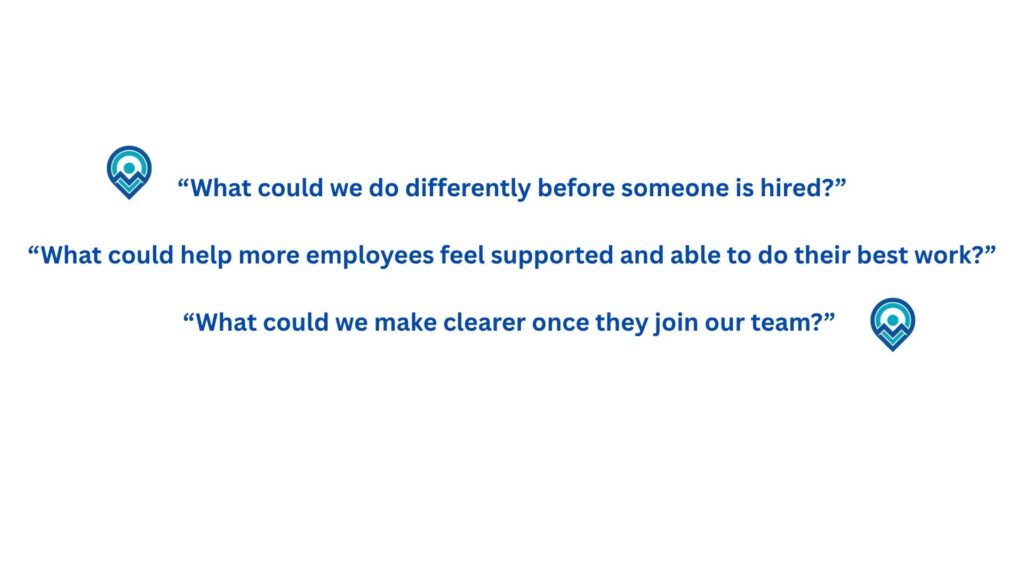
As NDEAM approaches, consider using October as more than a month for awareness posts or educational programming. Use it as an opportunity to ask:
Sometimes meaningful change starts with something small.
And inclusion does not start on day one. It starts before day one – and continues long after it.
Ready to Take the Next Step?
U Can Employ™ works with organizations to identify barriers, strengthen workplace practices, and create more inclusive environments for employees, customers, and future talent. If your organization is looking for practical ways to strengthen autism inclusion this NDEAM – and throughout the year – learn more about U Can Employ’s services or schedule a free Autism Inclusion Assessment by visiting www.ucanemploy.com.
Please join us in celebrating NDEAM by attending our FREE Virtual Networking Call on October 27th at 12 PM ET. Register now at https://ucanemploy.com/networking-session/ .