
Planning Now for 2026: How HR Leaders Can Prepare for Autism Inclusion
11 November 2025
Filed under: Articles, Blog
By: Katie Cappelen, Project Manager, U Can Employ™
The Future Workforce Is Changing – Plan Now
As the workforce evolves, inclusion has become more than a corporate value – it’s a business imperative. Autism diagnoses are rising steadily, and this growing population represents a highly capable, yet often overlooked, talent pool.
For HR professionals, now is the time to plan and budget for inclusion in 2026. Preparing early allows organizations to align policies, training, and support systems so that they’re ready to recruit, hire, onboard, and retain autistic employees successfully.
U Can Employ™ (UCE), powered by Els for Autism®, works alongside HR teams to build practical, sustainable inclusion strategies that deliver measurable results for all staff. Let the UCE team help you achieve your company goals in 2026 to expand and enhance your workforce.
Why Autism Inclusion Belongs in 2026 HR Budgets
1. Discovery & Policy Review
Why it matters: Many barriers to inclusion start with outdated job descriptions, ambiguous language, unspoken social rules, and rigid policies. Requiring a driver’s license when it’s not essential or using overly broad qualifications can unintentionally exclude capable autistic candidates, automatically screening them out from jobs that they are qualified for. A policy review helps HR teams identify these roadblocks before hiring begins, so that your company can naturally attract autistic talent to your talent pool.
UCE provides policy and environmental assessments that highlight where small adjustments, such as revising job criteria, creating visual aids, or adding sensory-friendly spaces – can open access to a wider talent pool.
2. Supervisor and Team Training
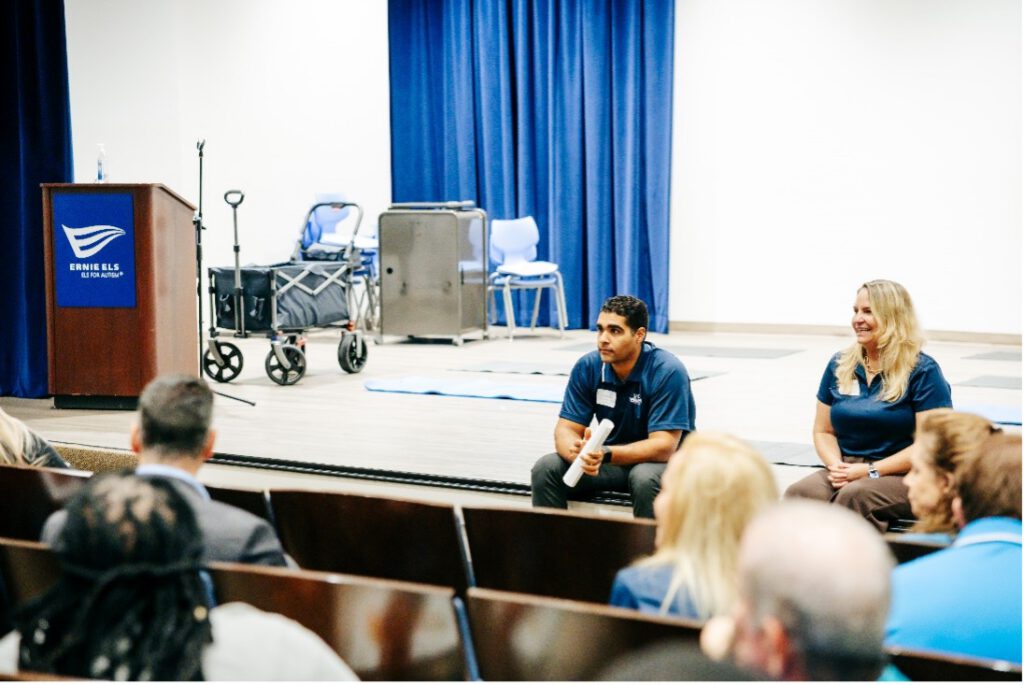
Why it matters: Supervisors are the bridge between inclusion policy and workplace reality. Training ensures leaders understand autism spectrum disorder and how to support all employees effectively.
Well-trained teams communicate better, experience fewer misunderstandings, and report higher morale. According to the Job Accommodation Network, 85% of employers see improved retention after making an accommodation, while 52% report higher productivity (Job Accommodation Network, 2025).
UCE offers specialized training designed to help HR embed inclusion into daily management practices, policies, procedures, and systems.
3. Onboarding and Job Coaching Supports
Why it matters: Successful onboarding sets the tone for long-term retention. Some employees benefit from job coaching during their first few weeks, while others simply need structured check-ins or clear communication channels.
Autism is a spectrum – not every employee needs the same type of support. HR departments that plan for flexible onboarding systems can respond to individual needs efficiently, rather than reactively.
4. Flexible Work Practices
Why it matters: Rigidity in scheduling, communication, or workspace use can become a barrier to success.
Flexibility benefits everyone – not just autistic employees – by reducing burnout, improving engagement, and addressing real-world barriers such as transportation and sensory needs.
Research shows that only 21% of unemployed autistic adults have independent transportation (Pfeiffer et al., 2024). Building flexibility into work structures helps companies retain talent that might otherwise be excluded by similar logistical challenges.
UCE works with HR to assess where flexibility can be implemented without disrupting operations. For example, adjusting shift times, offering short sensory breaks, or removing unnecessary physical requirements from job listings can help broaden the pool of candidates that can fill the jobs that your company needs filled.
5. Measurement and ROI Tracking
Why it matters: Inclusion is most successful when it’s tied to measurable outcomes. Tracking key metrics such as retention, absenteeism, and customer satisfaction allows HR to demonstrate the financial impact of inclusion initiatives.
Organizations that make accommodations report both direct and indirect benefits – from higher employee retention and attendance to improved team morale and customer interactions (Job Accommodation Network, 2025).
UCE provides HR departments with resources and simple tools that allow companies to feel the return on investment (ROI) that comes from hiring individuals with autism. Our team can help quantify success and communicate this ROI to executive leadership.
Building Inclusion Into the 2026 Budget
Many HR leaders wait until inclusion becomes a compliance requirement or employee request, but strategic inclusion starts with intentional budgeting. Setting aside funds in Q4 or early 2026 ensures your team can:
- Fund assessments and training before new hiring cycles begin.
- Implement onboarding supports proactively.
- Track ROI across multiple locations or departments.
- Demonstrate measurable progress toward inclusion goals.
When HR teams invest early, they avoid reactive spending later and can show leadership that inclusion is not just the right thing to do – it’s a business-smart decision that enhances culture, retention, and brand reputation. Investing now prepares you and your company for the future workforce.

A Proven Example: Arcis Golf’s Inclusion Success
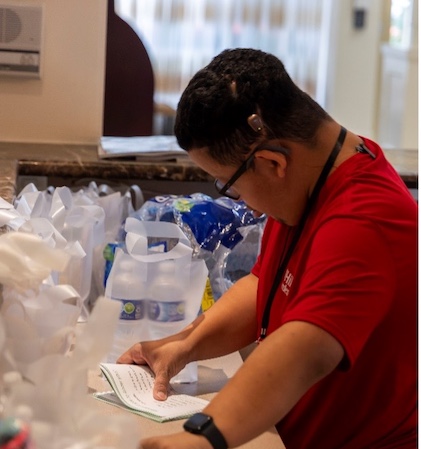
Arcis Golf’s partnership with U Can Employ™ exemplifies how inclusion drives value across an organization. After working with UCE to implement autism inclusive practices, Arcis gained a loyal, high-performing employee who quickly became a favorite among members and staff.
Beyond individual success, the club saw stronger community engagement and reinforced its reputation as a socially responsible and forward-thinking brand – a clear example of inclusion generating both financial and cultural ROI.
Conclusion – The Time to Invest Is Now
The 2026 workforce will be increasingly autistic, and the most successful HR teams will be those that plan ahead. By budgeting for inclusion, HR leaders position their organizations to access an untapped talent pool, strengthen employee loyalty, and meet evolving workforce expectations.
U Can Employ™ helps companies every step of the way – from policy review to supervisor training, onboarding support, HR policy reviews. Together, we can help your organization become an autism inclusive employer in 2026 and beyond.
Contact: ucanemploy@elsforautism.org | www.ucanemploy.com
References
Pfeiffer, B., Song, W., Davidson, A., Salzer, M., Feeley, C., & Shea, L. (2024). Transportation use and barriers for employed and unemployed autistic adults. Autism in Adulthood.
Job Accommodation Network. (2025). Study illustrates cost and impact of workplace accommodations. U.S. Department of Labor, Office of Disability Employment Policy.