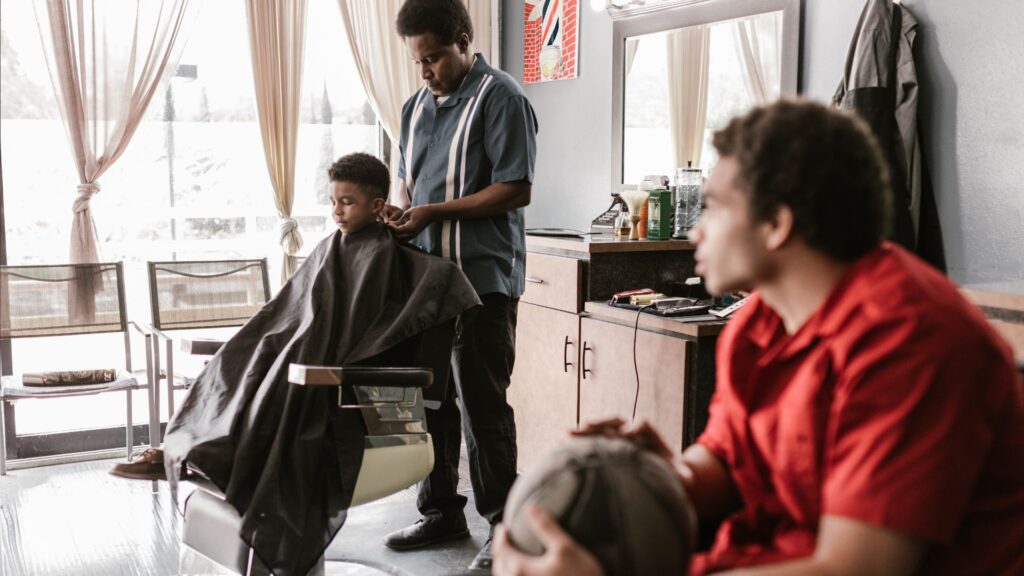
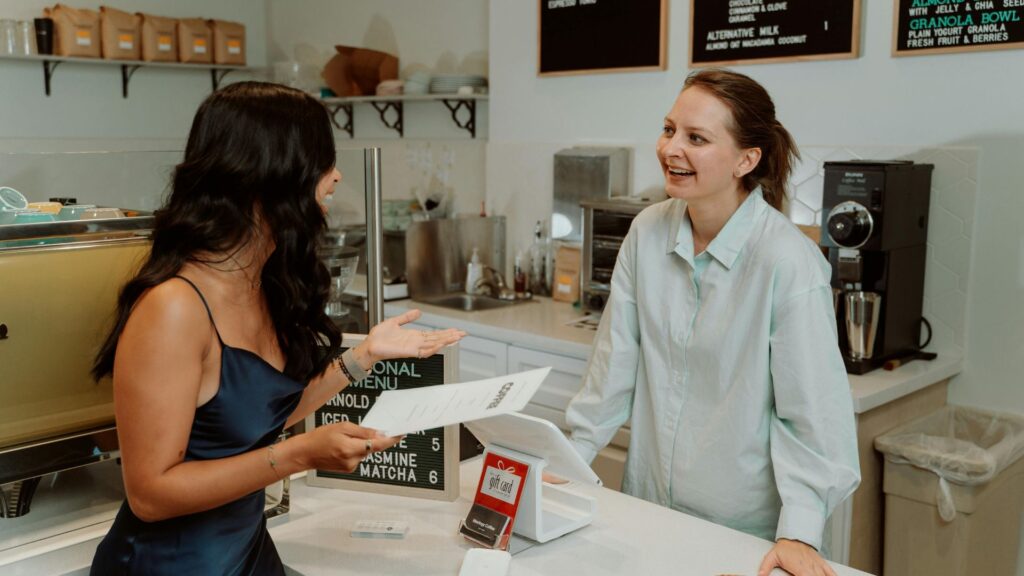
For many organizations, autism inclusion starts with a focus on hiring, and that’s an important first step. But true inclusion extends beyond recruitment to creating environments where autistic employees can thrive, contribute, and grow.
Creating meaningful employment opportunities for autistic adults remains one of the most important ways businesses can expand their talent pool, strengthen workplace culture, and create pathways for individuals who continue to face significant barriers to employment. However, focusing exclusively on hiring overlooks a much larger opportunity.
As autism prevalence continues to rise, organizations are not only employing autistic individuals. Corporations are serving autistic customers, interacting with autistic community members, and building relationships with families, caregivers, and advocates whose purchasing decisions are shaped by their experiences. According to the Centers for Disease Control and Prevention (CDC), approximately 1 in 31 children have been identified with autism spectrum disorder (ASD), highlighting a growing population that businesses will increasingly serve as customers, employees, and community members. (CDC, 2025)
Businesses spend significant time and resources understanding customer behavior and improving customer service. Yet many organizations have never considered whether their customer experience is welcoming and accessible to autistic individuals and their families. For some customers, barriers may be sensory-related, such as loud noises, overwhelming environments, or confusing layouts. For others, the challenge may be communication, flexibility, and navigating unfamiliar processes.
These moments matter, especially because families remember whether a business feels welcoming. Customers remember whether employees demonstrate patience and understanding, while communities remember the organizations that make an effort to understand their needs rather than expecting everyone to experience the world the same way.
Autism inclusion is not just an employment conversation, it is a customer experience conversation.
The Business Opportunity
Research continues to highlight the significant economic impact that the disability community has on the consumer market. A 2026 study conducted by Disability:IN and the American Institutes for Research found that working-age adults with disabilities represent a $675 billion consumer market in the United States, including approximately $107 billion in discretionary spending power (Disability:IN & AIR, 2026).
Importantly, those figures do not fully capture the broader influence of family members, caregivers, and advocates whose purchasing decisions are often shaped by accessibility and inclusion. This means that these numbers may be even larger than originally thought. For businesses, this represents a market opportunity for their corporations’ success. These statistics express that inclusive workplaces, staff trainings, and sensory-friendly environments go beyond social responsibility initiatives. Organizations that create environments where autistic individuals and their families feel welcomed are often building relationships that extend far beyond a single transaction. They are creating trust, which results in increased loyalty and spending.
What Progress Looks Like
Fortunately, many organizations are already recognizing that autism inclusion extends beyond employment and into customer experience, workplace culture, and community engagement. At U Can Employ™, we have had the opportunity to work alongside corporations such as Dick’s Sporting Goods, Golf Galaxy, Stanley Black & Decker, Arcis Golf, Baptist Health, and Ensono as they explore how autism inclusion can strengthen both the employee and customer experience.
While every organization’s journey looks different, they share a common understanding: inclusion is not a one-time initiative or a box to check. It is an ongoing commitment to improving awareness and creating experiences where more people feel welcomed, understood, and supported.
These organizations’ willingness to invest in this work reflects a broader shift occurring across the business community. More employers are beginning to recognize that inclusive practices do not only benefit autistic individuals, but also help organizations build stronger teams, deeper customer relationships, and greater community impact.
Moving Forward
The organizations that will stand out in the future will not be those that view autism inclusion solely through the lens of employment. They will be the organizations that recognize inclusion influences every part of business, from workforce culture and employee engagement to customer loyalty and community trust.
Through training, consultation, and workforce development strategies, U Can Employ™ helps organizations create autism inclusive cultures that better support employees while enhancing customer experiences. From communication practices and onboarding processes, to leadership development and organizational strategy, businesses gain practical tools to create environments that work for a wider range of employees and customers.
If you are interested in joining the movement towards becoming autism inclusive for your current staff, future employees, and customer-bases, contact us at ucanemploy@elsforautism.org to talk to a team member!
Resources
Centers for Disease Control and Prevention. (2025). Data and statistics on autism spectrum disorder. https://www.cdc.gov/autism/data-research
Disability:IN, & American Institutes for Research. (2026). The next growth market: Inside the $675 billion consumer opportunity. https://disabilityin.org/resources/disability-consumer-market/
Get a Free Autism Inclusion Assessment
Learn how autism inclusive practices can elevate your customer experience, strengthen brand loyalty, and help your teams perform at their best.
During this quick call, we’ll review your environment, staffing needs, and business goals - and outline practical steps that deliver measurable ROI while improving accessibility for all customers.
See how inclusion can drive impact for your people and your business.